

Queensland E-Mobility Rules Guide (E-Bikes & E-Scooters)
Page content
Retailer age restriction: As a retailer, it is illegal for us to sell e-bikes or e-scooters to children under 16. Proof of age may be required for any purchases.
Queensland's ban on selling e-mobility devices to anyone under 16 began on 1 July 2026 and applies to private, commercial and online sales. Buying restrictions are separate from the supervised-riding exemptions below.
⚠️ General Information Only — Not Legal Advice
This guide summarises publicly available Queensland Government information. It is not a substitute for legal or professional advice. Always check the official sources below before making purchasing or riding decisions.
Key dates
- 1 July 2026: Under-16 sales restrictions, new footpath and shared-path speed rules, and changes to device requirements commenced.
- 31 August 2026: New age and driver-licensing rules commenced for both e-bikes and personal mobility devices, with exemptions.
- 2 November 2026: Expected start of the EPAC Assurance Scheme, according to the government guidance checked on 22 October 2026.
- 28 February 2027: End of the stated transition periods for eligible e-bikes without EN 15194 compliance and faster personal mobility devices needing speed limiting.
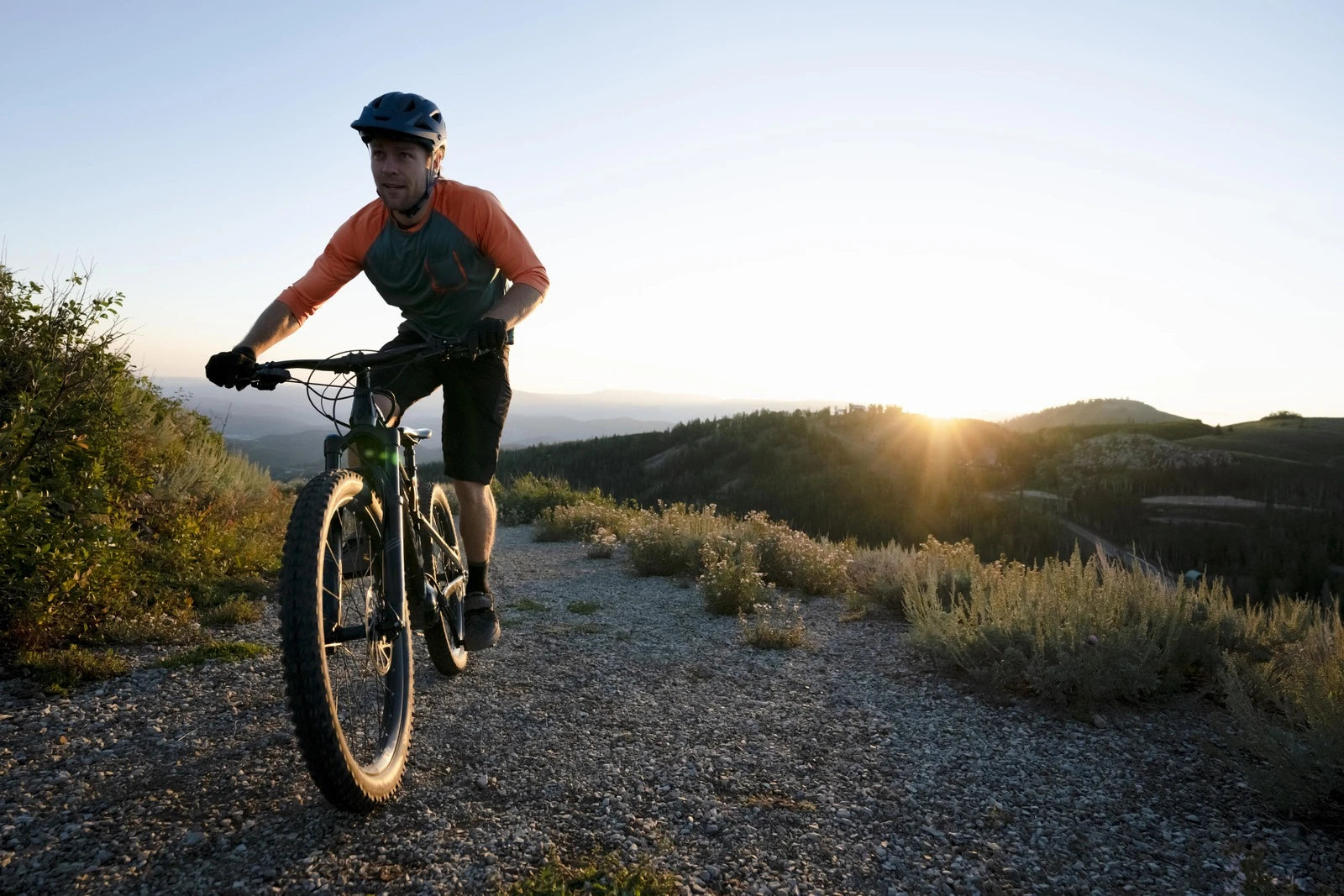
E-bikes: device requirements
The Queensland Government's e-bike guidance specifies:
- Pedals are the primary source of power, with motor assistance.
- A maximum continuous rated motor output of 250 watts.
- Motor assistance stops above 25 km/h.
- Throttle-only assistance is limited to 6 km/h to help start moving.
- Compliance with EN 15194 and a compliance label, subject to the transition arrangements below.
Older e-bikes and the EPAC Assurance Scheme
The government states that e-bikes not meeting EN 15194 may continue to be used until 28 February 2027 if they have no more than 250 watts continuous motor power and 25 km/h assisted speed. From 1 March 2027, a compliance label is required for public riding.
The EPAC Assurance Scheme is expected to start on 2 November 2026. It covers eligible legacy e-bikes made before 1 July 2026 and eligible special-purpose e-bikes or e-trikes for riders with a disability or medical condition. Check the scheme's eligibility requirements. It is not a route to approval for high-powered or high-speed devices.
High-powered bikes and modifications
High-powered e-bikes do not become compliant simply because their speed is software-locked. The government warns against devices that can be unlocked, motors above 250 watts continuous rated output, and throttle propulsion above 6 km/h. Aftermarket conversion kits can make bikes non-compliant for public use; special-purpose devices have separate scheme requirements. Check the official guidance before purchasing or modifying a device.

E-scooters and other personal mobility devices
Personal mobility devices include e-scooters, e-skateboards, e-unicycles and Segways. Queensland's guidance specifies that a device must:
- Be designed for one person only.
- Be no more than 750 mm wide and 1,350 mm high, with a maximum 1,100 mm wheelbase if it has two or more axles.
- Weigh no more than 60 kg without a rider or load.
- Be powered by an electric motor and have one or more wheels.
- Not exceed a motor-propelled speed of 25 km/h.
The buying guidance states that devices manufactured after 1 July 2026 must be limited to 25 km/h by software or hardware. If you buy a device capable of exceeding 25 km/h, it must be limited by 28 February 2027. Ask the retailer for assistance and check the current transition rules.
Who can ride: e-bikes and personal mobility devices
From 31 August 2026, riders generally must be 16 or older and hold a valid driver licence, minimum learner. Equivalent interstate and overseas licences are recognised. You must not ride on an expired, suspended or disqualified licence. The government states registration and insurance are not currently required for compliant e-bikes or personal mobility devices.
Exemptions
- Supervision: Riders under 16, and riders aged 16–17 without a licence, may ride under the supervision conditions in the government guidance. A parent, grandparent or legal guardian must remain within a safe distance to give instructions.
- Recreational areas: Age and licensing exemptions apply in specified areas. E-bike examples include mountain bike trails, rail trails, commercial bike parks and private property with permission. Personal mobility device examples include rail trails, commercial bike parks and private property. Personal mobility devices are not permitted on trails in national parks, conservation parks or state forests.
- Medical or disability: People aged 16 or older who cannot obtain a licence because of a medical condition or disability may qualify for an exemption. The F5464 form must be completed with an eligible health practitioner and carried while riding. This exemption cannot override a suspension, disqualification or cancellation for non-medical reasons.
Check the linked exemption pages for full conditions. An exemption to ride does not remove the restriction on selling devices to children under 16.
Helmets and safe riding
Wear an approved, securely fitted and fastened helmet. E-bike riders must follow bicycle helmet and bicycle road rules. Personal mobility device riders must wear an approved bicycle or motorbike helmet. Keep left, give way to pedestrians and leave a safe passing distance.
Path speed limits
- Footpaths: Maximum 12 km/h for e-bikes and personal mobility devices.
- Shared paths: Follow signed limits and slow to 12 km/h when passing pedestrians.
- Separated paths and bicycle paths: Personal mobility devices have a maximum of 25 km/h unless signed otherwise.
Where can you ride?
E-bikes: Most roads and paths where bicycles are permitted, unless signs prohibit them. Follow bicycle road rules and the path limits above.
Personal mobility devices: Permitted paths unless prohibited by signs; roads and bike lanes on roads with speed limits of 60 km/h or less; and bike lanes physically separated from traffic. Maximum device speed is 25 km/h, and lower applicable limits must be obeyed.
Do not pass a personal mobility devices prohibited sign. Councils and landowners may restrict riding in particular areas. Do not park a device in a way that unreasonably obstructs pedestrians or vehicles.
Before purchasing
- Confirm the buyer is 16 or older and be prepared to provide proof of age.
- Check the intended rider's licence or exemption eligibility.
- Check the device's power, speed, dimensions and any required compliance label.
- Check transition deadlines for older devices.
- Check permitted riding areas, helmet requirements and local council restrictions.
- Do not assume a non-compliant device can be used in public. The government warns that illegal devices can attract fines and seizure, impoundment or destruction.
Official sources
Queensland Government: Rules for selling e-mobility devices
https://www.qld.gov.au/transport/buying/selling-emobility-devices
- E-bike rules in Queensland
- Rules for personal mobility devices
- Footpath and shared-path speed limits
- EPAC Assurance Scheme
- Tips for buying e-mobility devices
- Areas with age and licensing exemptions
- Medical or disability driver licence exemptions
Last reviewed: 22 October 2026 against the Queensland Government sources above. Rules and scheme commencement dates may change. Always check the official guidance.
⚠️ This page is for general information purposes only and does not constitute legal advice. AdventureTec accepts no liability for decisions made based on this content. Please consult the Queensland Government or a qualified professional for advice specific to your situation.